 English
  German
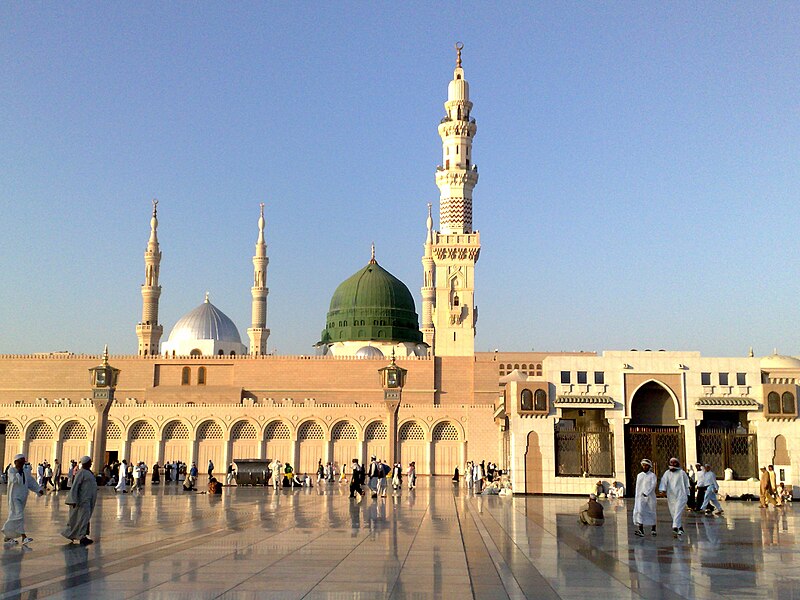
The Hajj pilgrimage involves visiting several significant sites in and around Mecca. Each of these places holds historical and religious importance in Islam. Below is an overview of the key places of Hajj:
1. The Kaaba and Masjid al-Haram (The Sacred Mosque)
- The Kaaba: The Kaaba is the most sacred site in Islam, located at the center of the Masjid al-Haram in Mecca. It is the qibla (direction) towards which Muslims around the world pray. Pilgrims perform Tawaf, the act of circumambulating the Kaaba seven times in a counter-clockwise direction.
- Masjid al-Haram: The largest mosque in the world, it surrounds the Kaaba and is a central point for many Hajj rituals, including Tawaf and Sa’i.
2. Mina
- Tent City: Mina is a valley located approximately 5 kilometers east of Mecca. It is known as the „Tent City“ because of the thousands of air-conditioned tents that provide temporary accommodation for pilgrims during Hajj.
- Ramy al-Jamarat: Mina is the site where pilgrims perform the symbolic stoning of the devil (Ramy al-Jamarat). This ritual involves throwing pebbles at three stone pillars (jamarat) which represent the devil’s temptation of Prophet Ibrahim (Abraham).
3. Mount Arafat
- Day of Arafat: Mount Arafat, also known as Jabal al-Rahmah (Mountain of Mercy), is located about 20 kilometers southeast of Mecca. Pilgrims gather here on the 9th day of Dhul-Hijjah for the Day of Arafat, the pinnacle of Hajj. They spend the day in prayer, supplication, and reflection.
- Sermon of Arafat: A sermon is delivered from Mount Arafat, and pilgrims seek forgiveness and mercy from Allah. Standing on Arafat is a fundamental part of Hajj, as the Prophet Muhammad said, „Hajj is Arafat.“
4. Muzdalifah
- Overnight Stay: After leaving Arafat, pilgrims travel to Muzdalifah, where they spend the night under the open sky. Muzdalifah is located between Arafat and Mina.
- Collecting Pebbles: Pilgrims collect pebbles in Muzdalifah, which they will use for the stoning of the pillars in Mina.
5. Jamarat Bridge
- Stoning Ritual: The Jamarat Bridge is a structure in Mina where the stoning of the pillars takes place. Pilgrims throw seven pebbles at each of the three pillars over three days, symbolizing their rejection of evil.
6. Masjid al-Namirah
- Historical Significance: Located in Arafat, Masjid al-Namirah is where the Prophet Muhammad delivered his Farewell Sermon. During Hajj, a sermon is delivered here to the gathered pilgrims.
7. Safa and Marwah
- Sa’i Ritual: The hills of Safa and Marwah are located within the Masjid al-Haram. Pilgrims perform Sa’i, walking seven times between these two hills, in commemoration of Hagar’s search for water for her son Ismail (Ishmael).
8. Al-Masjid an-Nabawi (The Prophet’s Mosque)
- Medina: Although not part of the Hajj rituals, many pilgrims visit Al-Masjid an-Nabawi in Medina either before or after Hajj. It is the second holiest site in Islam and houses the tomb of the Prophet Muhammad.
Conclusion
Visiting these sacred sites is an integral part of the Hajj pilgrimage. Each location holds deep spiritual significance and historical importance, allowing pilgrims to connect with their faith and the legacy of Prophet Ibrahim and Prophet Muhammad.